
# Why Team Media Days Matter More Than Ever: From Traditional Team Photos to Building Confidence, Culture, and Legacy
There was a time when every sports season started the same way.
Players lined up in rows. The tallest athletes stood in the back. Coaches sat in chairs at the front. Everyone looked at the camera, smiled, and a single team photo was taken.
For decades, that was enough.
Those photos still hang in school hallways, fill yearbooks, and sit in family albums. They carry memories, pride, and nostalgia. Looking back at those images reminds us of friendships, championships, long practices, and unforgettable Friday nights.
But today's athletes are growing up in a different world.
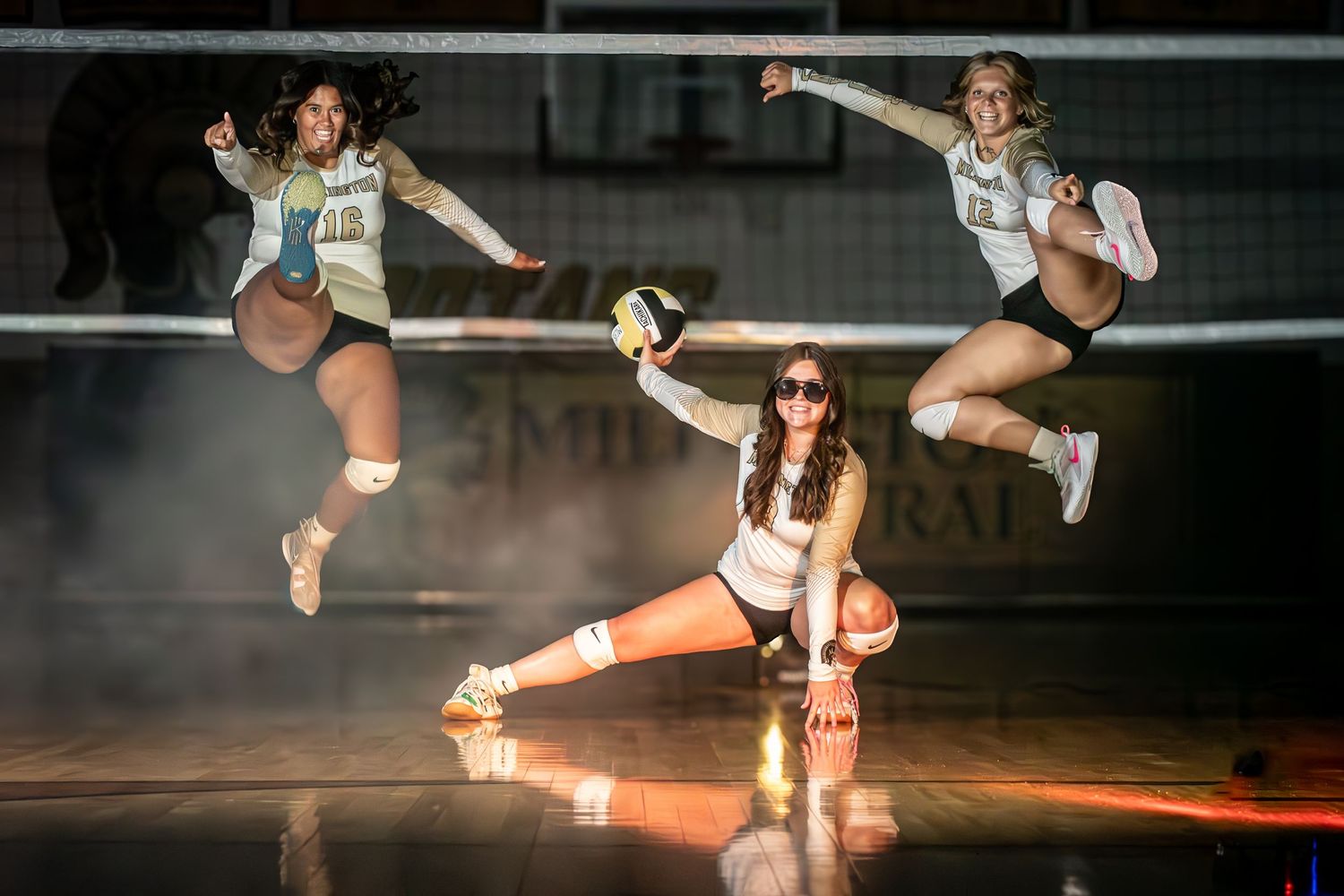
While traditional team photos will always have a place, modern Team Media Days have become something much bigger. They're not replacing tradition—they're building on it.
## More Than Photos: Creating Identity
One of the most powerful psychological needs people have is the desire to belong.
Athletes don't just want to play for a team. They want to feel like they are an important part of something bigger than themselves.
Media Days help create that feeling.
When every athlete receives individual attention in front of the camera, they're no longer just another face in the team photo. They become a valued member of the program.
Whether they're a senior captain or a freshman seeing varsity action for the first time, every player gets a chance to feel seen.
That matters.
Research in sports psychology consistently shows that athletes who feel recognized and valued often display greater confidence, motivation, and commitment to their team.
## Confidence Starts Before Game Day
Confidence isn't something athletes magically find under the stadium lights.
It's built long before kickoff.
When players see professional images of themselves looking strong, focused, and confident, something interesting happens. They begin to see themselves differently.
The athlete who was unsure of themselves suddenly sees someone who looks ready to compete.
The player who has spent years working behind the scenes finally feels recognized.
The younger athlete who dreams of becoming a leader starts imagining themselves in that role.
Media Days help athletes visualize success.
And when athletes believe they belong, they tend to perform with greater confidence.
## Building Team Confidence
Individual confidence is important.
Team confidence is even more powerful.
Every successful program has a culture. The strongest teams believe in each other before the season even begins.
Media Days create excitement and anticipation. Players begin sharing images, talking about the season, and representing their team with pride.
Instead of simply being members of a roster, they start feeling like part of a movement.
That shared experience creates unity.
Players become invested not only in their own success but also in the success of the team.
The result is stronger chemistry, stronger communication, and a stronger sense of purpose.
## Standing Out in a Competitive World
Today's schools and athletic programs compete for attention in ways previous generations never imagined.
Social media has changed everything.
Students, parents, recruits, and community members are constantly engaging with content online.
Programs that invest in professional media stand out.
High-quality images and videos help schools:
* Increase community engagement
* Generate excitement around games
* Highlight athletes and coaches
* Showcase school spirit
* Attract future players
* Support recruiting opportunities
In many ways, Media Day content has become the modern-day version of hanging championship banners in the gym.
It's a visual representation of pride, culture, and excellence.
## The Power of Nostalgia
Here's something many people don't realize.
Media Days aren't just about today.
They're about twenty years from now.
Think about the old team photo hanging in your school's hallway.
It's valuable because it captured a moment that can never happen again.
The same is true for today's athletes.
Years from now, players won't just remember wins and losses. They'll remember their teammates, their coaches, the locker room conversations, the bus rides, and the feeling of being part of something special.
Media Day images preserve those memories.
They become keepsakes for athletes, parents, and future generations.
The difference is that today's memories are captured with more creativity, personality, and emotion than ever before.
## Tradition Isn't Going Away
Some people wonder if Media Days are replacing traditional team photos.
The answer is no.
The best programs understand that both matter.
Traditional team photos preserve history.
Media Days tell the story behind it.
One captures the team.
The other captures the individuals who make the team special.
Together, they create a complete legacy.
## Why Every Program Should Invest in a Media Day
At its core, a Team Media Day isn't about photos.
It's about confidence.
It's about culture.
It's about creating excitement.
It's about helping athletes feel valued.
It's about preserving memories that families will treasure for decades.
Most importantly, it's about showing athletes that they are part of something worth remembering.
Because one day, today's players will look back at these images the same way previous generations look back at those old team photos.
Only now, they'll have a collection of memories that tells the entire story.
And that's something worth investing in.